I lift up my eyes to the hills;
from where is my help to come?
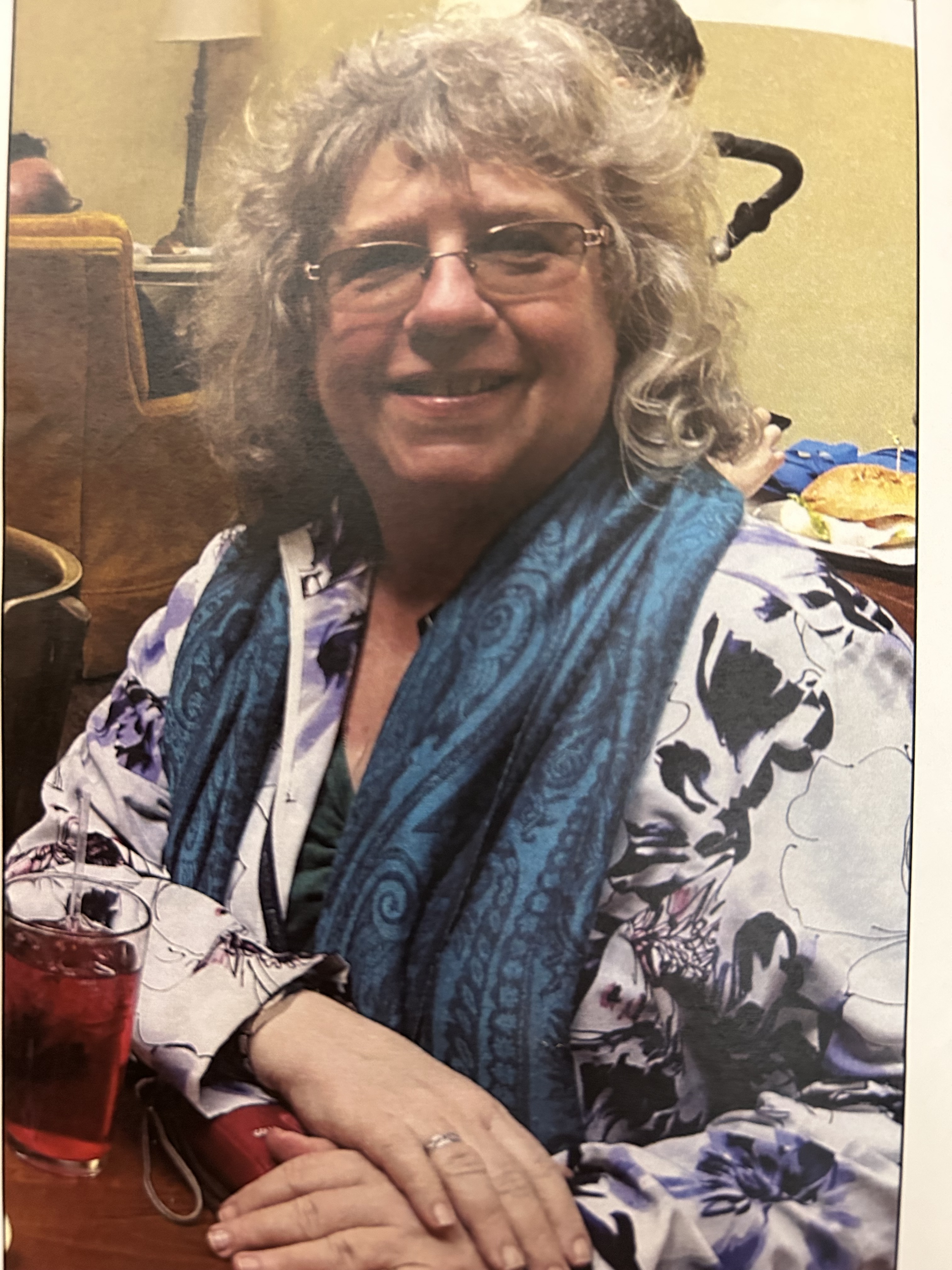
Though appropriate for our times, these lines from Psalm 121 were read Tuesday morning at the memorial service for a friend who died suddenly. Tracy Dieter had a good life of 70 years but deserved much more; she gladly gave so much of her life to service.
Although the answer to the Psalm’s question is “the Lord,” it’s the social justice activists here on earth, like Tracy, who make prophecy into reality through their right action, to paraphrase my priest, Sari Ateek.
Tracy Chapman Dieter wasn’t a celebrity, nor a person of extraordinary affluence or talent. In a city characterized by power, she was the girl next door, who I knew only because we served together on a diocesan Holy Land Committee that met at the Washington National Cathedral, and via Zoom.
Tracy served the National Cathedral in various roles for more than 20 years, but it still was extraordinary to see this national jewel of the Episcopal Church—host to 22,500 visitors a month—closed for the funeral of a layperson.
It was also extraordinary that Tracy helped the Episcopal Church organize four Christian-Muslim summits, hosted in Washington, Beirut, Rome, and Tehran, with clerics from Sunni, Shia, Catholic, Episcopalian, and other denominations. Extraordinary in the breadth of religion and spirituality—the inclusiveness—this encompasses.
- As Tracy often said, “Love to you all. No exceptions.”
For those who knew Tracy, the homily was apt, highlighting her extraordinary dedication to the cause of Palestine and the wellbeing of Palestinians. Why Palestine, it’s fair to ask. There seem to be 3 key factors.
- The physical connection may’ve come through pilgrimage, as Tracy helped organize several pilgrimages to Palestine. Being in the land and with the people is often life changing.
- An additional dynamic comes with the radical insistence—“radical” in a Zionist world where Israeli Jewish lives are thought more precious—that Palestinians must be included if everyone is equal. Radical equality is extraordinary because it’s less often practiced than preached.
- And omnipresent in every discussion on Palestine-Israel is the battle to speak the truth in a Zionist world. If this sounds like conspiracy theorism, try insisting throughout your day that all people are equal, and that policies must reflect that Palestinians are equal to Jews.
Staying the course in the face of these obstacles is part of what made Tracy extraordinary.
The memorial also featured a hymn that reflected another extraordinary aspect of Tracy, her joy in service:
Jerusalem, my happy home, when shall I come to thee?
When shall my sorrows have an end? Thy joys when shall I see?
…Our Lady sings Magnificat with tune surpassing sweet,
and blessed martyrs’ harmony doth ring in every street.
Jerusalem, Jerusalem, God grant that I may see
thine endless joy, and of the same partaker ever be!
Not surprisingly, the First Lesson read at Tracy’s memorial was Isaiah’s call to lift the oppressed and marginalized:
“…the Lord has anointed me; he has sent me to bring good news to the oppressed, to bind up the brokenhearted, to proclaim liberty to the captives, and release to the prisoners…”
The thing that makes social justice activism at the grassroots level extraordinary is its ease of replication and magnification. That’s the power of the dedicated ordinary, the girl next door. This is our call…Let’s Go!
Episcopal funerals close with a note of humility accompanied by hope—reminiscent of the Islamic phrase, “Inna lillahi wa inna ilayhi raji’un” (from Allah we come, to Allah we return).
- “So did you ordain when you created me, saying ‘You are dust, and to dust you shall return.’…yet even at the grave we make our song: Alleluia, alleluia, alleluia.“
Alleluia for the girl next door; let us be so inspired by her right actions that we too act.
 iqraadc.org